
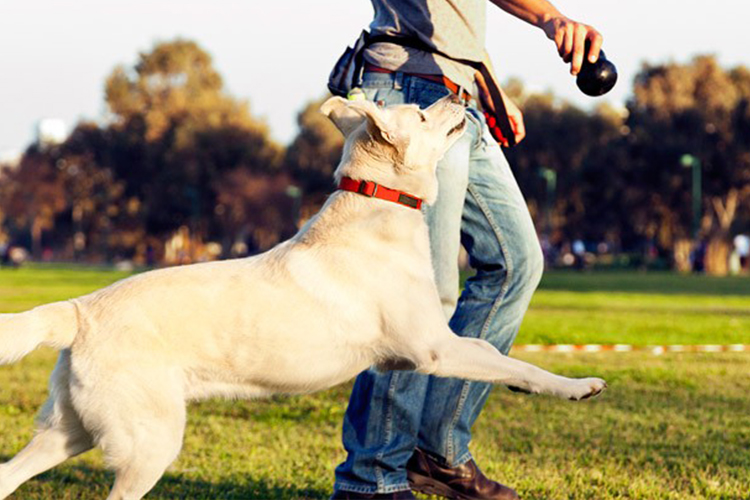

Training an adult dog is often seen as challenging, but with the right approach, it’s entirely achievable. Adult dog obedience training focuses on building clear communication, reinforcing good behavior, and establishing consistency through proven, reward-based techniques. Unlike puppies, adult dogs already have established habits, which makes structured training especially valuable for reshaping behaviors in a predictable and humane way.
Whether addressing unwanted behaviors such as leash pulling, excessive barking, or poor recall or teaching advanced commands like off-leash control, a well-designed training program delivers measurable improvements. Consistent obedience training also enhances mental stimulation, increases confidence, and creates a calmer household environment. With professional guidance and a clear training framework, adult dogs can learn just as effectively as younger ones while strengthening trust and cooperation with their handlers.
Why Adult Dogs Benefit from Obedience Training
Adult dogs, regardless of age or past training history, are highly capable of learning new behaviors and refining existing manners. Obedience training provides structure, mental engagement, and clear guidance elements that are especially important for adult dogs adapting to new environments, routines, or family dynamics.
Key benefits of adult dog training include:
- Enhanced Safety: Reliable commands such as “stay,” “leave it,” and “come” help prevent dangerous situations, including traffic accidents or unwanted confrontations with other animals. Consistent obedience reduces impulsive reactions in high-distraction environments.
- Improved Social Skills: Trained adult dogs display better impulse control and calmer behavior around people and other pets. This leads to more positive interactions during walks, social gatherings, and public outings.
- Reduced Stress and Anxiety: Clear expectations and consistent boundaries lower confusion and frustration. Adult dogs thrive when routines and commands are predictable, creating a calmer and more confident mindset.
- Strengthened Owner-Dog Bond: Positive reinforcement training builds trust and mutual respect. As effective communication improves, adult dogs respond more willingly, resulting in a cooperative and rewarding relationship.
By addressing both behavior and communication, adult dog training supports long-term behavioral stability and improves overall quality of life for dogs and their owners alike.
Key Strategies for Successful Adult Dog Training
Effective adult dog training relies on consistency, patience, and positive reinforcement. Adult dogs learn best when training sessions are structured, predictable, and rewarding, allowing behaviors to be reinforced without creating stress or confusion.
Proven strategies for successful adult dog training include:
- Positive Reinforcement: Rewarding desirable behavior with treats, verbal praise, or play strengthens learning and increases motivation. This method encourages repeat behavior while building confidence and trust, making training more effective and enjoyable.
- Clear and Consistent Commands: Using the same verbal cues and hand signals every time prevents mixed messages. Consistency across all handlers is critical, as adult dogs respond best when expectations remain uniform.
- Short, Frequent Training Sessions: Limiting sessions to 10–15 minutes multiple times per day helps maintain attention and prevents mental fatigue. Brief, focused sessions lead to better retention and faster progress.
- Gradual Introduction of Distractions: Practicing commands in controlled environments first, then slowly introducing real-world distractions, improves reliability. This step ensures obedience carries over from the home to public settings such as parks or sidewalks.
When applied consistently, these training strategies help adult dogs develop reliable obedience skills that support long-term behavioral success and everyday safety.
Common Challenges and How to Overcome Them
Adult dogs may resist new training routines due to ingrained habits, past experiences, or lack of consistent guidance. Recognizing common challenges and applying targeted strategies can dramatically improve training outcomes.
Frequent challenges and effective solutions include:
- Pulling on the Leash: Many adult dogs develop strong pulling habits. Implement structured leash training techniques, such as using a no-pull harness, rewarding loose-leash walking, and consistently redirecting when the dog lunges. Gradually increase exposure to stimulating environments to reinforce proper leash manners.
- Ignoring Commands: Adult dogs may selectively respond due to distraction or low motivation. Increase engagement by using high-value rewards treats, favorite toys, or enthusiastic praise and ensure commands are clear and consistent. Breaking tasks into small, manageable steps can also improve compliance.
- Excessive Barking: Barking often signals anxiety, boredom, or attention-seeking behavior. Identify triggers such as strangers, other animals, or environmental noises and redirect focus using positive cues or alternative behaviors. Training “quiet” commands reinforced with rewards encourages calm, controlled responses.
Persistence and patience are essential. Consistent application of structured, reward-based methods ensures progress even in adult dogs with long-established habits. Over time, these approaches lead to lasting behavioral improvements, a calmer household, and a stronger bond between dog and owner.
Choosing the Right Adult Dog Obedience Training Program
Selecting the right adult dog training program is critical for achieving lasting behavioral improvements. Not all programs are created equal, and the right approach should consider a dog’s individual personality, learning style, and environment.
Key factors to evaluate when choosing a program include:
- Experience and Credentials: Trainers with proven experience, certifications, and a track record of success can implement effective, evidence-based methods. Look for trainers who specialize in adult dogs and understand the nuances of behavior modification.
- Customizable Plans: Adult dogs vary widely in age, breed, temperament, and past experiences. Programs that can be tailored to a dog’s specific needs such as anxiety management, leash manners, or advanced obedience tend to produce faster and more reliable results.
- Support Resources: Ongoing guidance, follow-up sessions, and progress tracking are essential for reinforcing learned behaviors. Programs offering clear instructions for at-home practice help maintain consistency and accelerate long-term success.
Adult dog training is not simply about discipline, it’s about cultivating a lifelong relationship built on understanding, communication, and mutual respect. By choosing a program that delivers structured guidance, measurable results, and continued support, dog owners can ensure their pets become well-mannered, confident, and happier companions.
Conclusion
Adult dog obedience training is a transformative investment that benefits both dogs and their owners. With consistent, reward-based methods, even older dogs can learn new commands, correct undesirable behaviors, and develop stronger focus and confidence. Training not only improves day-to-day manners but also enhances safety, reduces stress, and fosters a deeper, more trusting bond between dog and owner. Selecting the right training program is essential for achieving lasting results. Expert guidance ensures that techniques are tailored to a dog’s age, temperament, and unique needs, creating a structured plan that encourages consistent progress.
For dog owners in Phoenix, AZ, Rob’s Dog Training offers professional adult dog training programs designed to deliver measurable improvements, reliable behavior, and a happier, well-adjusted canine companion. Taking the first step toward training today can lead to a lifetime of positive behavior, greater harmony at home, and a more rewarding relationship with a beloved pet.


